Silk Road SummerDunhuang & Turpan
Caves, grapes, and singing sand
Field notes08 / August
Two oasis worlds
The Silk Road’s driest stretch is also its most atmospheric in summer — if you time it right. Dunhuang pairs desert drama with Buddhist art, while Turpan is a green miracle sunk below sea level. Together they make a route that swings from silence to sweetness in a single day, and every stop tells a different chapter of the old trade road.
Dunhuang: caves and singing sand
The Mogao Caves hold a millennium of murals and statues, a UNESCO treasure best seen on a guided morning visit before the heat builds. Then cool off at Crescent Lake, a slim pool cradled by the Mingsha dunes, or ride a camel at dawn when the sand is still cool underfoot and the light is soft.
Don’t miss
- The Mogao Grottoes — book tickets well ahead.
- Sunset over Mingsha Shan’s singing sands.
- The desert outskirts of Yadan for wind-carved rock.
- The Jade Gate Pass for a real sense of the old frontier.
Turpan: grapes and fire
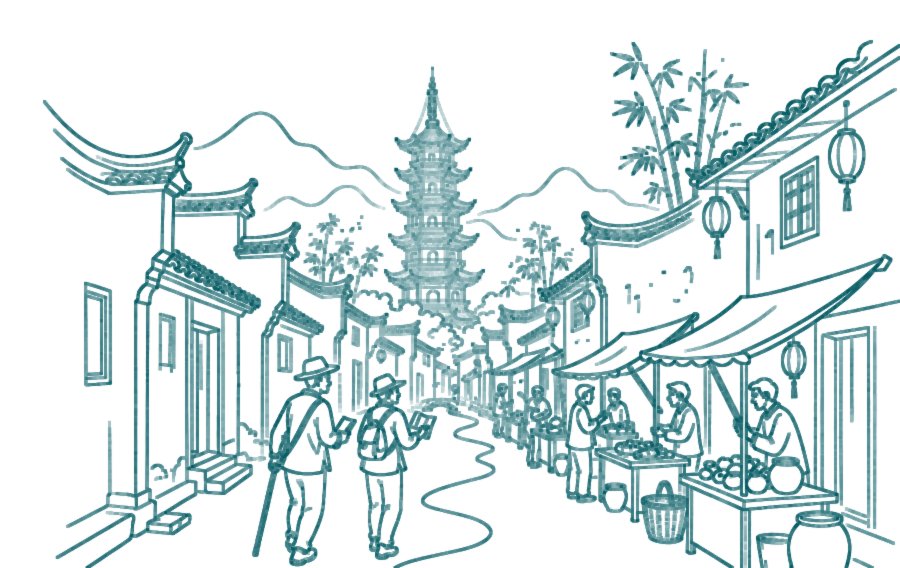
Turpan is China’s hottest point, yet the Grape Valley stays shady and sweet, fed by the ancient Karez underground canals. Stroll trellised lanes heavy with fruit and taste raisins drying in the breeze. It’s a lesson in how life threads through the desert, and the local melons are the coldest you’ll taste all year.
Getting between them
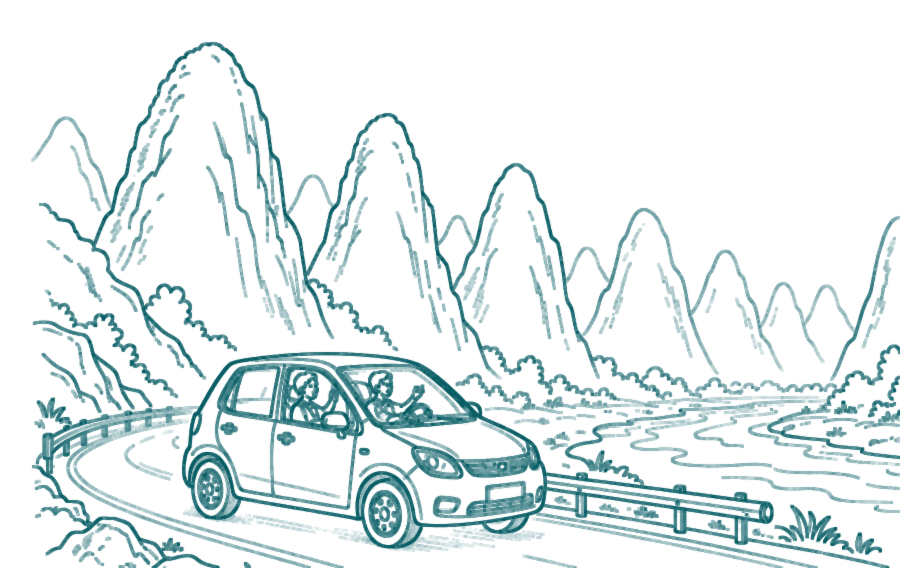
A daytime train or short flight links Dunhuang and Turpan, and a private car handles the local sites comfortably in the heat. Plan museum and cave time for the cool mornings, then retreat to a shaded teahouse when the sun is highest, saving the open dunes for late afternoon. A good guide times each stop so you never fight the worst of the heat.
Best time & weather
August days in Turpan can top 38°C, so sightsee early and lean on shade and the Karez-cooled valleys. Dunhuang is a touch gentler. Carry water, a sun hat, and respect the midday sun — and save the outdoor walking for before ten and after six.

 Miss.YanChina